Following up on a historical story

If you work on a weekly newspaper long enough it is likely some of the people you meet and write about will go on to be famous in the field of their choice.

While working in Rhyl many of the people I knew socially, or met as part of my work, were either already known or were in a position or family that would lead to them becoming known.

As it happens the story I referred to last time introduced me to a young man who went on to be prominent in his academic field.

If you remember I got a call out to Bodrhyddan Hall, Rhuddlan, to meet a mummy which had been found in what was believed to have been an empty sarcophagus – one of two at the hall which had been there since the 19th century.

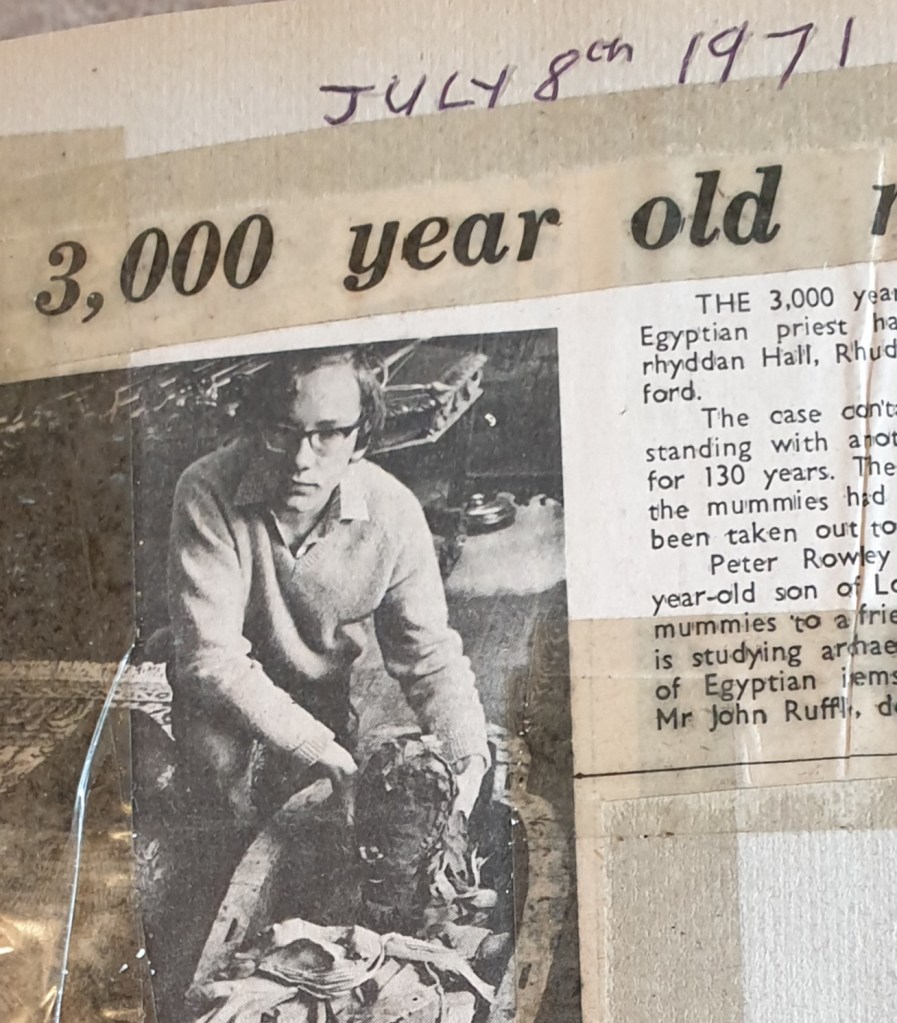
The young man was archaeology student Peter Rowley Conwy, son of Lord Langford. He had become curious about the sarcophagus, which according to family legend had been at the hall since the early 1800s. It was thought that this item, and another sarcophagus, had begun to smell in the late 1800s and the contents were supposedly dumped in the grounds.

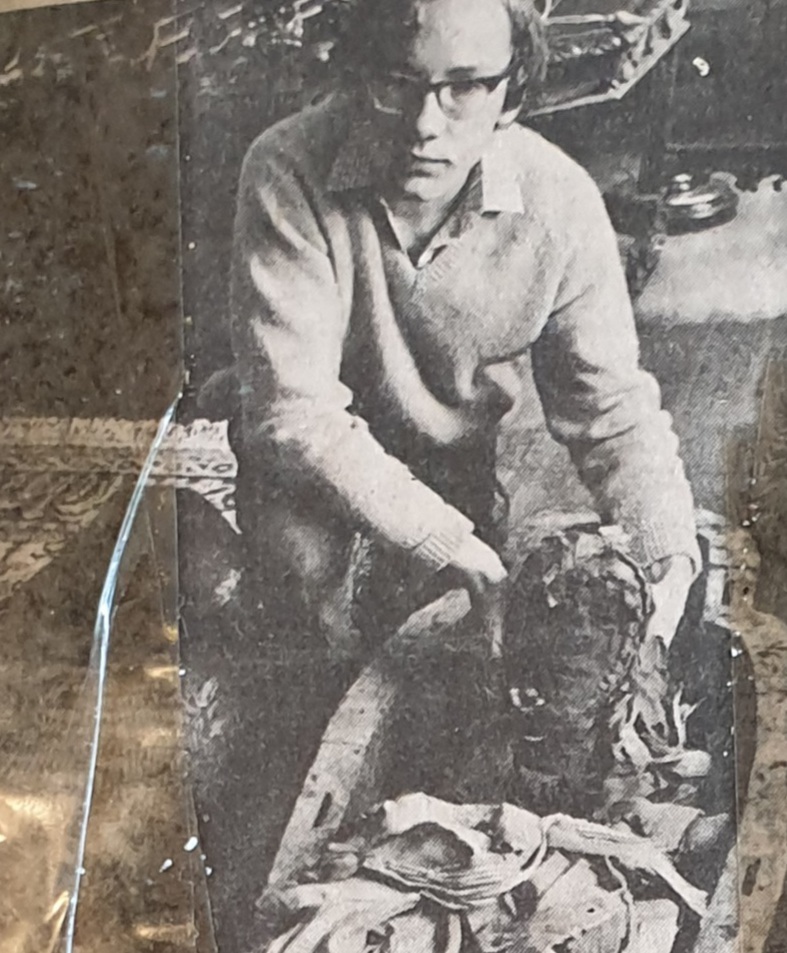
Peter Rowley Conwy, in 1971, with the 3,000-year-old mummy he uncovered at his family home

Peter had asked an eminent Egyptologist, John Ruffle, to examine the artefact and it was found to contain the 3,000-year-old mummified body of an Egyptian priest.

Fifty years later and young Peter is now an eminent archaeologist himself with a professorship at Durham University, having gone there as a lecturer in 1990.

There he had met John Ruffle again, even though their archaeological interests were far apart.

Professor Ruffle was still one of the most eminent Egyptologists in the country.

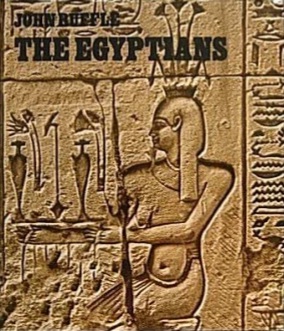
One of the books by eminent Egyptologist John Ruffle

Peter, meanwhile, had concentrated on the hunter-gatherers of the Neolithic period as well as the prehistoric economics of Denmark from 3700 BC to 2300 BC.

He had also examined the role of the domesticated pig in the prehistoric ages.

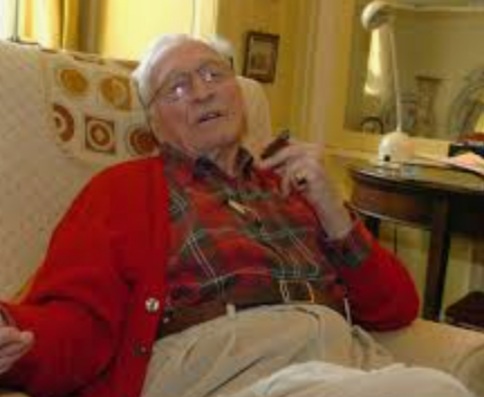
Geoffrey Rowley-Conway, 9th Baron Langford, who lived to the ripe old age of 105

What did surprise me, however, was to find that Peter’s father, Geoffrey Alexander Rowley-Conwy, 9th Baron Longford, had only died four years ago, 2017, at the grand old age of 105.

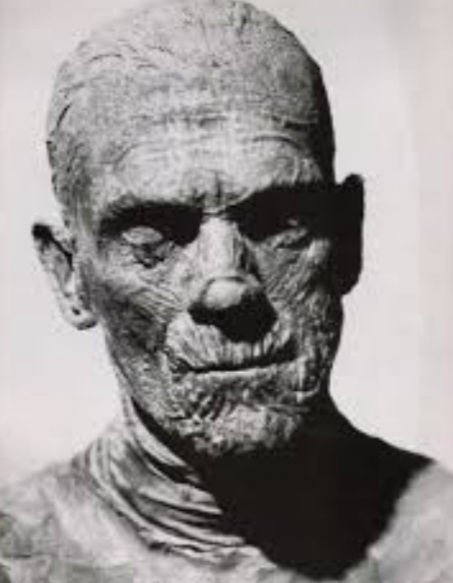
Oh mummy, that’s not Boris Karloff

THIS is Boris Karloff

Celebrating the New Year in the Austrian Tyrol was quite a start to 1971 and my time in the classroom was finally over, almost six years after I parted company with my arch-enemy – the demon headmaster of my old grammar school.

I still had to sit for my NCTJ Proficiency Certificate but that would, I believed then, be a doddle. After all I had my certificate for T-line at 120wpm; I had covered almost every type of story; and had let McNae’s Essential Law for Journalists be my constant companion.

Also my 21st birthday was on the horizon and it certainly looked as if it would be a lot better than my 18th.

I was also tackling better stories, even the odd front page – such as the story of two deaths in a flatlet used as a holiday let.

The fire which killed them happened on the day before the Journal was published and I managed to get to the site as the rescue bid was being attempted. I managed to speak with witnesses. Then it was straight back to the office, a quick call to the chief fire officer for the official, knock out the piece and phone it over to the editor in Oswestry.

That is the cutting edge of journalism.

There was still the bread and butter work of courts, councils and church roundups.

The jam* on the bread and butter was getting an off-diary story.

One dollop of jam for me was coming face to face with a 3,000-year-old priest.

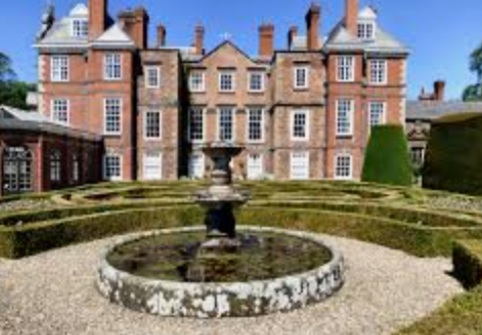
It began with a phone call to the office from Bodrhyddan Hall (pictured) in nearby Rhuddlan. The son of Lord Langford said he had made an amazing find amongst some Egyptian curios which had been at the hall since the first half of the 19th century.

I was sent off with our photographer Glyn Robert’s and we were met at the hall by Peter Rowley Conway, Langford’s oldest son.

The 19-year-old archaeology student explained that the Egyptian collection, including two mummy cases, had been brought back to the hall around about the 1840s.

The family story was that the mummy cases had started to smell and in the late 1800s the contents had been taken out of the cases and buried in the grounds.

On telling a fellow student at Cambridge about this it was suggested to Peter he should talk to an expert about the mummy cases.

An Egyptologist from Birmingham City Museum visited the hall and when he opened the second case a bandaged mummy was revealed inside.

Peter then took us to see the find and Glyn took a picture of him holding the head up.

The expert, Mr John Ruffle, later identified the mummy as that of a priest from the temple of Amun in Thebes. He had been mummified around the end of the 18th Dynasty in Egypt, approximately 1200 BC.

The mummy looked very much like the film versions I had seen starring people like Boris Karlkoff and Christopher Lee. It was bound in tatty linen bandaging which had greyed over the millennia and the skull-like face was revealed still covered in leathery skin.

Mr Ruffle had translated the name of the priest as Minen Ha.

Peter told me the mummy was to be expertly restored and his father, Lord Langford, intended to put it back on display at the hall.

Stories like this made for a lighter touch amid the more mundane, and serious, items we had to handle.

*My father, the chemist, always said that the year-round sales of cough mixtures, sticking plasters and other items stocked by a chemist put the bread and butter on our plates.

The summer sales of sun lotion, calamine lotion, sunglasses and all the other essentials for holidaymakers put the jam on the bread and butter.

The Masque of Anarchy

by Perry Bysshe Shelley (1792-1822)
I
As I lay in Italy
There came a voice from over the Sea 
And with great power it forth led me
To walk in the visions of Poesy.

II
I met Murder on the way -
He had a mask like Castlereagh -
Very smooth he looked, yet grim;
Seven blood-hounds followed him:

III
All were fat; and well they might
Be in admirable plight,
For one by one, and two by two,
He tossed them human hearts to chew
Which from his wide cloak he drew.

IV
Next came Fraud, and he had on,
Like Eldon, an ermine gown;
His big tears, for he wept well,
Turned to mill-stones as they fell.

V
And the little children, who
Round his feet played to and fro,
Thinking every tear a gem,
Had their brains knocked out by them.

VI
Clothed with the Bible, as with light,
And the shadows of the night,
Like Sidmouth, next, Hypocrisy
On a crocodile rode by.

VII
And many more Destructions played
In this ghastly masquerade,
All disguised, even to the eyes,
Like Bishops, lawyers, peers, or spies.

VIII
Last came Anarchy: he rode
On a white horse splashed with blood;
He was pale even to the lips,
Like Death in the Apocalypse.

IX
And he wore a kingly crown;
And in his grasp a sceptre shone;
On his brow this mark I saw -
'I AM GOD, AND KING, AND LAW!'

X
With a pace stately and fast,
Over English land he passed,
Trampling to a mire of blood
The adoring multitude.

XI
And a mighty troop around,
With their trampling shook the ground,
Waving each a bloody sword,
For the service of their Lord.

XII
And with glorious triumph, they
Rode through England proud and gay,
Drunk as with intoxication
Of the wine of desolation.

XIII
O'er fields and towns, from sea to sea,
Passed the Pageant swift and free,
Tearing up, and trampling down;
Till they came to London Town.

XIV
And each dweller, panic-stricken,
Felt his heart with terror sicken
Hearing the tempestuous cry
Of the triumph of Anarchy.

XV
For with pomp to meet him came,
Clothed in arms like blood and flame,
The hired murderers, who did sing
'Thou art God, and Law, and King!'

XVI
We have waited, weak and lone
For thy coming, Mighty One!
Our purses are empty, our swords are cold.
Give us glory, and blood, and gold.'

XVII
Lawyers and priests, a motley crowd,
To the earth their pale brows bowed,
Like a bad prayer not over loud,
Whispering - 'Thou art Law and God,' -

XVIII
Then all cried with one accord,
'Thou art King, and God, and Lord;
Anarchy, to thee we bow,
Be thy name made holy now!'

XIX
And Anarchy, the skeleton, 
Bowed and grinned to every one,
As well as if his education
Had cost ten millions to the nation.

XX
For he knew the Palaces
Of our Kings were rightly his;
His the sceptre, crown and globe,
And the gold inwoven robe.

XXI
So he sent his slaves before
To seize upon the Bank with Tower,
And was proceeding with intent
To meet his pensioned Parliament.

XXII
When one went past, a maniac maid,
And her name was Hope, she said:
But she looked more like Despair,
And she cried out in the air:

XXIII
'My Father Time is weak and gray
With waiting for a better day;
See how idiot-like he stands,
Fumbling with his palsied hands!'

XXIV
'He has had child after child,
And the dust of death is piled
Over every one but me -
Misery, oh Misery!'

XXV
Then she lay down in the street,
Right before the horses' feet,
Expecting, with a patient eye,
Murder, Fraud, and Anarchy.

XXVI
When between her and her foes
A mist, a light, an image rose,
Small at first, and weak, and frail
Like the vapour of a vale:

XXVII
Till as clouds grow on the blast,
Like tower-crowned giants striding fast,
And glare with lightnings as they fly,
And speak in thunder to the sky.

XXVIII
It grew - a Shape arrayed in mail
Brighter than the viper's scale,
And upborne on wings whose grain
Was as the light of sunny rain.

XXIX
On its helm, seen far away 
A planet, like the Morning's, lay;
And the plumes its light rained through 
Like a shower of crimson dew.

XXX
With step as soft as wind it passed
O'er the heads of men- so fast 
That they knew the presence there,
And looked, - but all was empty air.

XXXI
As flowers beneath May's footstep waken,
As stars from Night's loose hair are shaken,
As waves arise when loud winds call,
Thoughts sprung where'er that step did fall.

XXXII
And the prostrate multitude
Looked - and ankle-deep in blood,
Hope, that maiden most serene,
Was walking with a quiet mien:

XXXIII
And Anarchy, the ghastly birth,
Lay dead earth upon the earth;
The Horse of Death tameless as wind
Fled, and with his hoofs did grind
To dust the murderers thronged behind.

XXXIV
A rushing light of clouds and splendour,
A sense awakening and yet tender
Was heard and felt - and at its close
These words of joy and fear arose

XXXV
As if their own indignant Earth
Which gave the sons of England birth
Had felt their blood upon her brow
And shuddering with a mother's three

XXXVI
Had turned every drop of blood
By which her face had been bedewed
To an accent unwithstood, -
As if her heart had cried aloud:

XXXVII
'Men of England, heirs of glory,
 Heroes of unwritten story,
Nursling of one mighty Mother,
Hopes of her, and one another;

XXXVIII
'Rise like Lions after slumber
In unvanquishable number,
Shake your chains to earth like dew
Which in sleep had fallen on you -
Ye are many they are few.

XXXIX
'What is Freedom? - ye can tell
That which slavery is, too well -
For its very name has grown
To an echo of your own.

XL
'Tis to work and have such pay
As just keeps life from day to day
In your limbs, as in a cell
For the tyrants' use to dwell.

XLI
'So that ye for them are made
Loom, and plough, and sword, and spade,
With or without your own will bent
To their defence and nourishment.

XLII
'Tis to see your children weak
With their mothers pine and peak,
When the winter winds are bleak,-
They are dying whilst I speak.

XLIII
'Tis to hunger for such diet
As the rich man in his riot
Casts to the fat dogs that lie
Surfeiting beneath his eye;

XLIV
'Tis to to let the Ghost of Gold
Take from Toil a thousandfold
More than e'er its substance could
In the tyrannical of old.

XLV
'Paper coin - that forgery
Of the title-deeds, which ye
Hold to something of the worth
Of the inheritance of Earth.

XLVI
'Tis to be a slave in soul
And to hold no strong control
Over your own wills, but be
All that others make of thee.

XLVII
'And at length when ye complain
With a murmur weak and vain
'Tis to see the Tyrant's crew
Ride over your wives and you -
Blood is on the grass like dew.

XLVIII
'Then it is to feel revenge
Fiercely thirsting to exchange
Blood for blood - and wrong for wrong -
Do not thus when ye are strong.

XLXIX
'Birds find rest, in narrow nest
When weary of their winged quest;
Beasts find fare, in woody lair
When storms and snow are in the air

L
'Asses, swine, have litter spread
And with fitting food are fed;
All things have a home but one;
Thou, Oh, Englishman, hast none!

LI
'This is Slavery - savage men,
Or wild beasts within den
Would endure not as ye do -
But such ills they never knew.

LII
'What art thou Freedom? O! could slaves
Answer from their living graves
This demand - tyrants would flee
Like a dream's dim imagery:

LIII
'Thou art not, as impostors say,
A shadow soon to pass away,
A superstition, and a name
Echoing from the cave of Fame.

LIV
'For the labourers thou art bread,
And a comely table spread
From his daily labour come
In a neat and happy home.

LV
'Thou art clothes, and fire, and food
For the trampled multitude -
No - in countries that are free
Such starvation cannot be
As in England now we see.

LVI
'To the rich thou art a check,
When his foot is on the neck
Of his victim,thou dost make
That he treads upon a snake.

LVII
'Thou art Justice - ne'er for gold
May thy righteous laws be sold
As laws are in England - thou
Shield'st alike the high and low.

LVIII
'Thou art Wisdom - Freemen never
Dream that God will damn for ever
All who think those things untrue
Of which Priests make such ado.

LIX
'Thou art Peace - never by thee
Would blood and treasure wasted be
As tyrants wasted them, when all
Leagues to quench thy flame in Gaul.

LX
'What if English toil and blood
Was poured forth, even as a flood?
It availed, Oh, Liberty,
To dim, but not extinguish thee.

LXI
'Thou art Love, the rich have kissed
Thy feet, and like him following Christ,
Give their substance to the free
And through the rough world follow thee,

LXII
'Or turn their wealth to arms, and make
War for thy beloved sake
On wealth, and war, and fraud - whence they
Drew the power which is their prey.

LXIII
'Science, Poetry, and Thought
Are thy lamps; they make the lot
Of the dwellers in a cot
So serene, they curse it not.

LXIV
Spirit, patience, Gentleness,
All that can adorn and bless
Art thou - let deeds, not words, express
Thine exceeding loveliness

LXV
'Let a great Assembly be
Of the fearless and the free
On some spot of English ground
Where the plans stretch around.

LXVI
'Let the blue sky overhead,
The green earth on which ye tread,
All that must eternal be
Witness the solemnity.

LXVII
From the corners uttermost
Of the bounds of English coast;
From every hut, village, and town
Where those who live and suffer moan
For others' misery or their own,

LXVIII
'From the workhouse and the prison
Where pale as corpses newly risen,
Women, children, young and old
Groan for pain, and weep for cold-

LXIX
'From the haunts of daily life
Where is waged the daily strife
With common wants and common cares
Which shows the human heart with tares-

LXX
'Lastly from the palaces
Where the murmur of distress
Echoes, like the distant sound
Of a wind alive around

LXXI
'Those prison walls of wealth and fashion,
Where some feel such compassion
For those who groan, and toil and wail
As must make their brethren pale-

LXXII
'Ye who suffer woes untold,
Or to feel, or to behold
Your lost country bought and sold
With a price of blood and gold

LXXIII
'Let a vast assembly be,
And with great solemnity
Declare with measured words that ye
Are, as God has made ye, free-

LXXIV
'Be your strong and simple words
Keen to wound as sharpened swords,
And wide as targes let them be,
With their shade to cover ye.

LXXV
'Let the tyrants pour around 
With a quick and startling sound, 
Like the loosening of a sea,
Troops of armed emblazonry.

LXXVI
'Let the charged artillery drive
Till the dead air seems alive
With the clash of clanging wheels,
And the tramp of horses' heels.

LXXVII
'Let the fixed bayonet
Gleam with sharp desire to wet
Its bright point in English blood
Looking keen alone for food.

LXXVIII
'Let the horsemen's scimitars
Wheel and flash, like sphereless stars
Thirsting to eclipse their burning
In a sea of death and mourning.

LXXIX
'Stand ye calm and resolute,
Like a forest close and mute,
With folded arms and looks which are
Weapons of unvanquished war,

LXXX
'And let Panic, who outspeeds
The career of armèd steeds
Pass, a disregarded shade
Through your phalanx undismayed.

LXXXI
'Let the laws of your own land,
Good or ill between ye stand
Hand to hand, and foot to foot,
Arbiters of the dispute.

LXXXII
'The old laws of England - they
Whose reverend heads with age are gray,
Children of a wiser day;
And whose solemn voice must be
Thine own echo - Liberty!

LXXXIII
'On those who first should violate
Such sacred heralds in their state
Rest the blood that must ensue,
And it will not rest on you.

LXXXIV
'And if then the tyrants dare 
Let them ride among you there,
Slash, and stab, and maim, and hew,-
What they like, that let them do.

LXXXV 
'With folded arms and steady eyes
And little fear, and less surprise,
Look upon them as they slay
Till their rage has died away.

LXXXVI
'Then they will return with shame
To the place from which they came,
And the blood thus shed will speak
In hot blushes on their cheek.

LXXXVII
'Every woman in the land
Will  point at them as they stand -
They will hardly dare to greet
Their acquaintance in the street.

LXXXVIII
'And the bold, true warriors
Who have hugged Danger in wars
Will turn to those who would be free,
Ashamed of such base company.

LXXXIX
'And that slaughter to the Nation
Shall steam unlike inspiration,
Eloquent, oracular;
A volcano heard afar.

XC
'And these words shall then become
Like Oppression's thundered doom
Ringing through each heart and brain,
Heard again - again - again -

XCI
'Rise like Lions after slumber
In unvanquishable number -
Shake your chains to earth like dew
Which in sleep had fallen on you -
Ye are many - they are few.'
Never mind the windmills – look for the memories

Noel Harrison once sang about “The Windmills of your Mind” – a place where you turn and keep turning like the sails of a windmill, chasing yourself in circles.

In a way our minds really are like this, labyrinthine corridors with doors wherever you turn – each requiring a special key before you can open it and savour the memories within.

The key could be a word; a few notes of melody; an aroma; a picture.

For me, this week, the key was a final late Christmas present from my darling wife, Marion.

I have previously referred to the elegant globe which she had ordered at least four weeks before Christmas and it arrived at least four weeks after.

This final gift was ordered at the same time from the British Library and arrived a full week in to February.

The present was much appreciated – it was a set of postcards depicting 16 original covers of books that are well known (well in my case 11 that were well known and one I had never heard of before).

Only two of them were on a list of books I have never read, at least not in full.

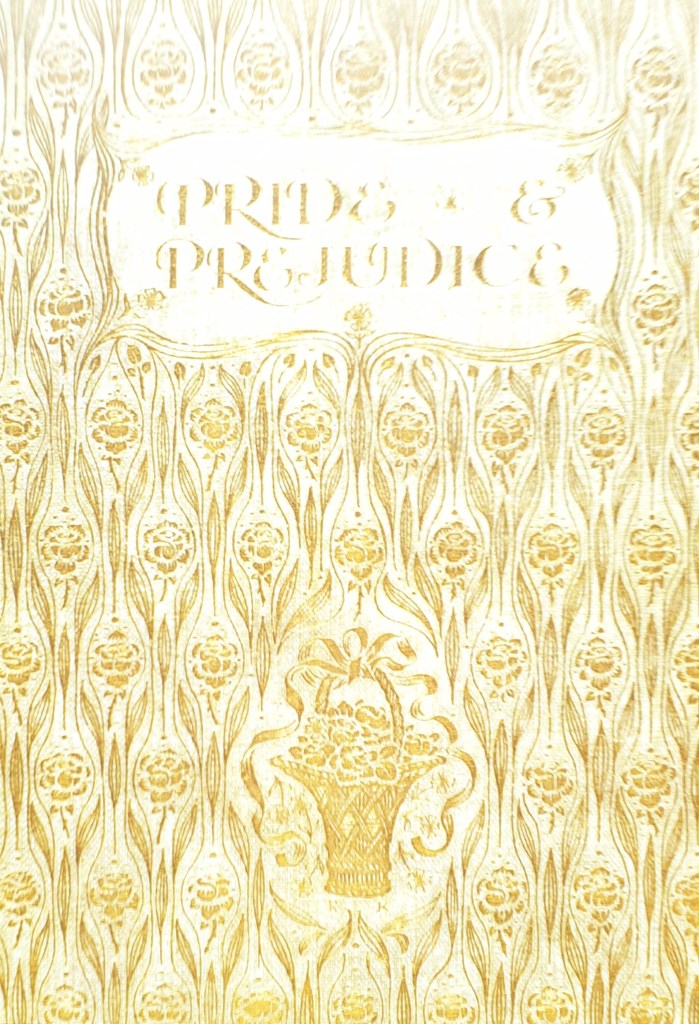
Other than the unknown title the set included a card depicting the original cover of “Pride and Prejudice“.

Its opening line: “It is a truth universally acknowledged . . . ” has gone down as the most famous line in any book – more well known than even the first line of Genesis.

I have tried, oh reader how I have tried, to read the book that so many people have swooned over in the last 200 years but I can never get past the first few pages without wanting to throttle the female Bennetts.

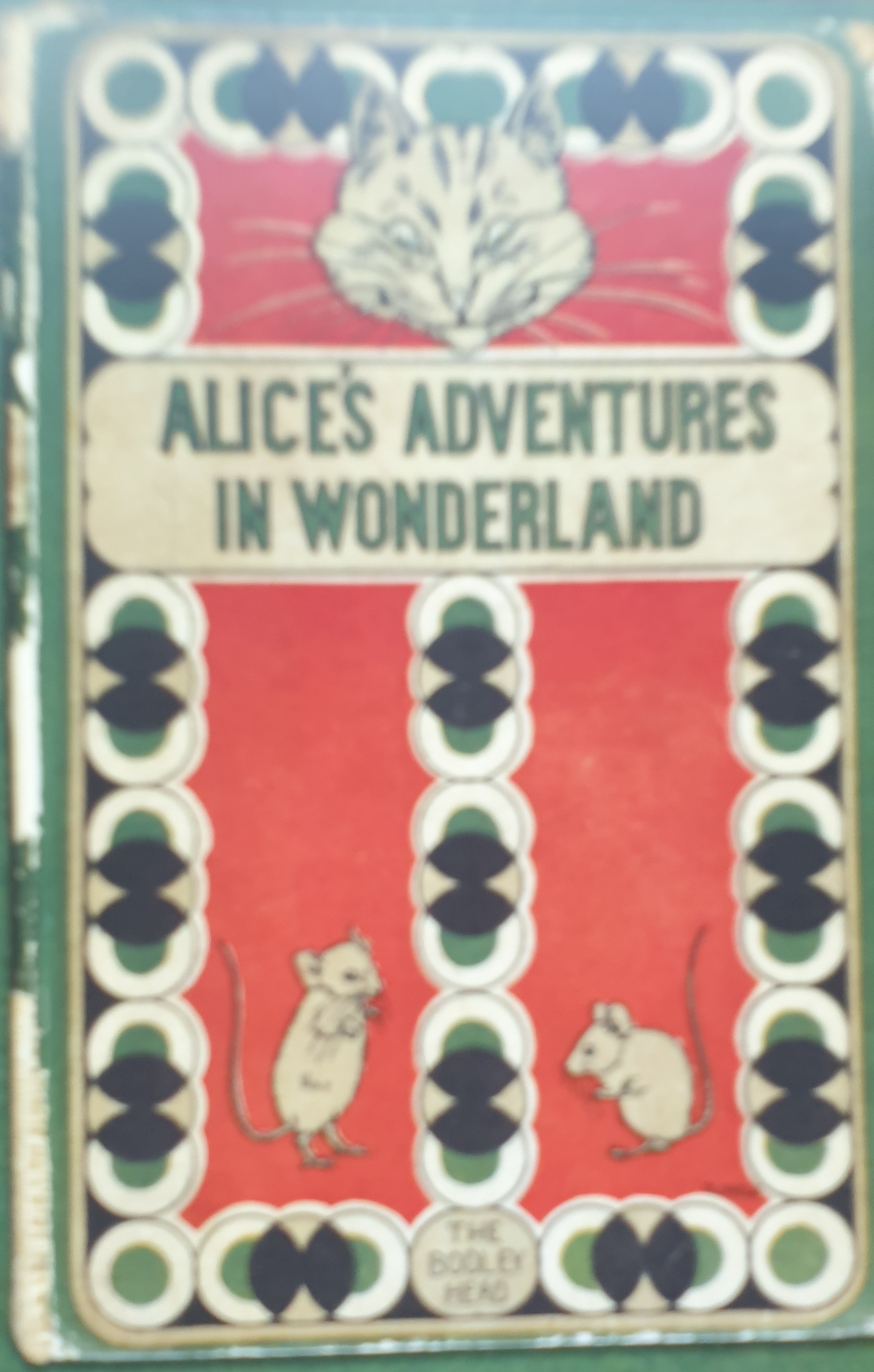
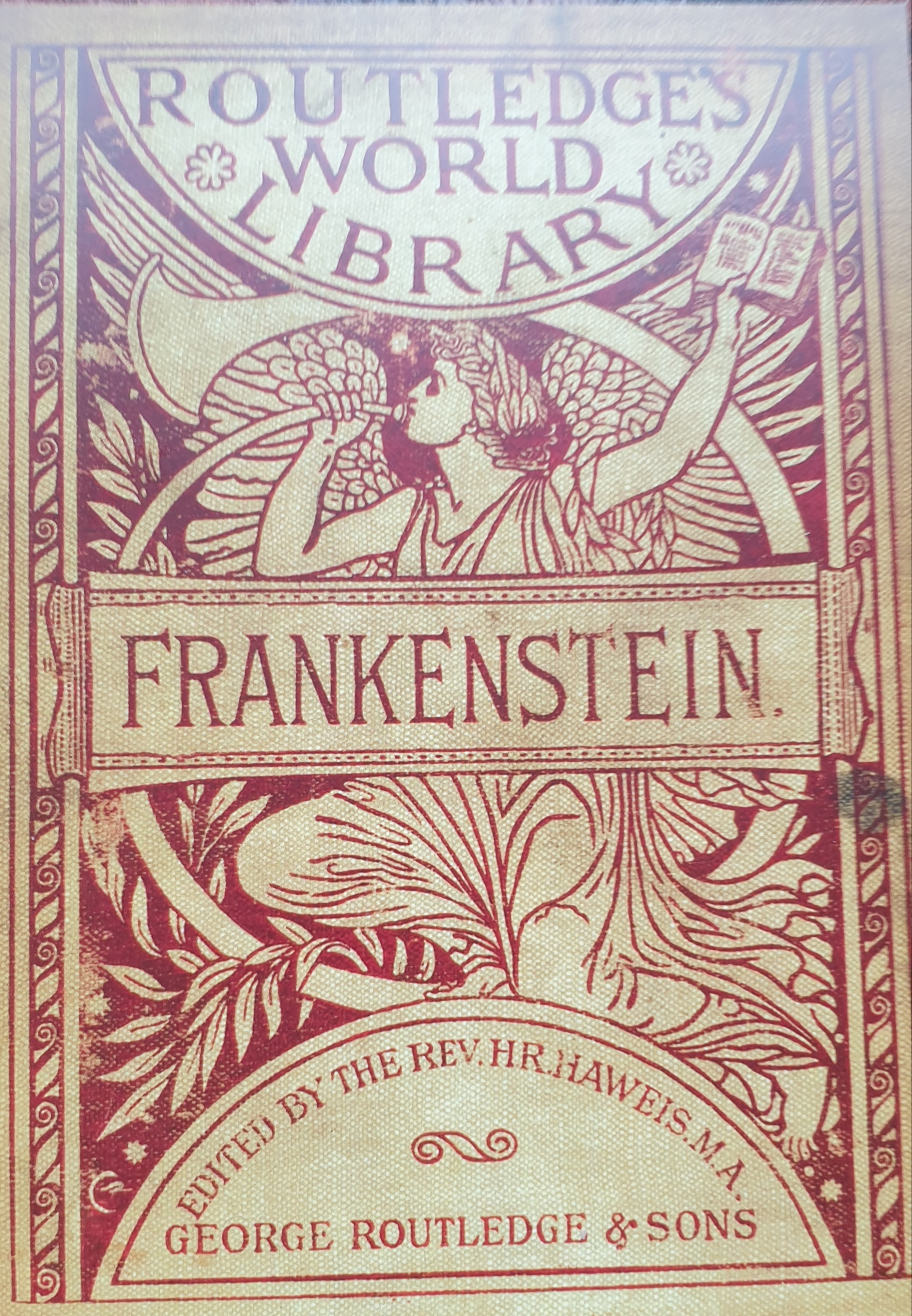
The other books in the set, ranging from “Alice’s Adventures in Wonderland” to “Frankenstein” and from “The Tale of Peter Rabbit” to “Robinson Crusoe“, led to doors I have entered and exited many times over the years.

As I have said before I am a voracious reader and have read anything I could lay my hands on over the years.

As a child we had a good selection of books at home.

There was a bookcase in the hall (it lives by my side of the bed these days) with three shelves stocked with books from “Coral Island” by R M Ballantyne to “The Three Musketeers” and “Twenty Years After” by Alexandre Dumas père.

In the living room was a large set of shelves, with games, an atlas and other large items on the lower section and a further set of shallower shelves above housing such delights as the Readers Digest Condensed books and book club volumes which included “Reach for the Sky” by Paul Brickhill (the story of legless flying ace Douglas Bader) and “The Moon and Sixpence” by W Somerset Maugham.

Added to this the municipal library was just at the top of our road with its plethora of books.

There were times, however, when I had run out of suitable books, or at least ones I had access to and just needed something to read.

Now we come back to that set of BL cards. One of them triggered that keycode for one of those long-forgotten rooms in the corridors of my mind.

As the door creaked open I saw once more “Little Women” and “Good Wives” by Louisa May Alcott.

It is at least 60 years since I last “borrowed” this book from my sister’s room where it rested alongside “Little Men” and “Jo’s Boys” yet as soon as I saw the card showing the book cover the memories poured forth.

Marion had read the books during her childhood and soon our recall of the stories and the characters just kept on coming.

Looking back at them with the value of hindsight it is amazing how many modern attitudes were highlighted in these books written when the American Civil War was still raging.

Feminism was way to the front in the character of Jo March but family loyalty to her sisters was also apparent.

The thought processes brought the other books in the trilogy to mind and I saw shy young Nat with his violin and the likeable rascal Dan with his loyalty to his musically gifted friends.

There was sadness as well as adventure in these books, young Amy’s death was particularly poignant, but overall it was a case of triumph over the odds.

I doubt if I will ever reread these books, once was enough apparently for their storylines and morals to stick in my mind, but it shows that any book well written can prove to be of interest.

Before I say farewell to the books I “borrowed” from my sister when I lacked other material I must admit that the Alcott memory tripped another switch in my childhood library.

There, below the Louisa May Alcott books were my sister’s other favourite source of adventure – “Cherry Ames – Student Nurse” with the character going on to be a “Senior Nurse“, an “Army Nurse” and in fact any type of nursing post you could imagine from “Rural Nurse” to “Flight Nurse” to “Island Nurse” and even – “Jungle Nurse“.

I won’t bother you with the plots of the 20+ books in the series – they didn’t really vary much – and all I can say in my defence is that sometimes I got really desperate for something to read.

But wait: “What was the book you did not know?” I hear you ask. Here you are:

Alone

by Edgar Allan Poe (1809-1849)
From childhood's hour I have not been
As others were; I have not seen
As others saw; I could not bring
My passions from a common spring.
From the same source I have not taken
My sorrow; I could not awaken
My heart to joy at the same tone;
And all I loved, I loved alone.
Then - in my childhood, in the dawn
Of a most stormy life - was drawn
From every depth of good and ill
The mystery which binds me still:
From the torrent, or the fountain,
From the red cliff of the mountain,
From the sun that round me rolled
In its autumn tint of gold,
From the lightning in the sky
As it passed me flying by,
From the thunder and the storm,
And the cloud that took the form
(When the rest of Heaven was blue)
Of a demon in my view.

Once

Michael Rosen, born 1946 – and still going strong
Once there was a boy who
wanted to be beautiful
and a girl who
wanted to be strong.
The boy was worried
that he wasn't beautiful enough.
The girl was worried
that she wasn't strong enough.

One day they went out to seek
their fortunes.

But there was nothing.

There was nowhere for them to go
Nothing for them to see
No one for them to meet.
There was no story for them to be in.
They couldn't even meet each other.
You may have thought they had already met
but they hadn't
because there wasn't anywhere
for them to meet.

Until you came along
and decided that you can do
something about it.

Nothing beats a Beetle on an icy mountain road

When you write a feature piece for a newspaper you need a hook to hang it on. After all you cannot do a piece on a school trip abroad and present it as an essay “What I did in my holidays”.

I was lucky with my feature on the Rhyl Grammar School trip to a small Austrian ski resort, starting on Boxing Day 1970 and due to end on New Year’s Day 1971, because I ended up with two hooks which I was able to tie together.

The second hook literally fell into my lap on the day we were due to fly home – difficult weather conditions left us stranded at Munich airport, and for 24 hours family and friends in North Wales had no idea when we would manage to get home (no mobile phones in those days).

The first hook had been presented to me on the flight out when one of the boys on the trip had warned us all that he was a Jonah, likely to jinx those around him.

He certainly lived up to his warning and his jinx proved right from day one to the very end of the trip, with the airport disaster being the cherry on top of Jonah’s cake of mishaps.

A coach was laid on from Munich to the Austrian ski resort of Durcholzen, in the Austrian Tyrol, where we were quickly settled in to the family-run guesthouse. In fact I think we took all the beds in the place.

A trip to the ski hire shop and everyone was fitted with the best skis and boots, plus sticks, for the first lesson the next day.

Back at the guesthouse we settled in the dining room for our first taste of Austrian cuisine. This was the first opportunity for Jonah (he got enough stick as a schoolboy for his mishaps so I won’t land any more on him) to show off his powers.

All the other tables received their food and then a delay in the kitchen meant his table were left waiting.

I determined to change tables for breakfast.

That evening most of the party were tired after the long haul and we adults were left in peace for the evening allowing us to enjoy a stein or three of Austrian beer.

Out on the nursery slopes.

The next day was out to the nursery slopes to learn the basics of ski-ing before even being allowed out on the easiest run.

This was one area where Jonah did NOT display his ability of bringing down problems on those around him. He was among the eight or nine selected to go on to the easy slope that afternoon.

Although I did not take to ski-ing like a duck to water I did manage to stay upright as I headed down the small slope. Then, of course, I had to trudge sideways to get back to the starting point.

I found a style more suited to me late that afternoon when the male teacher, myself, and the boys in the group decided to have a go in the sauna.

This was a little bit away from the resort and involved a bit of cross-country ski-ing to get there.

Rather than going down slopes and trudging back up this involved going at right angles to the slope and part-walking on the skis with the sticks aiding propulsion with the odd drop to ski down with a sideways step up the other side.

It was the first time I had ever used a sauna and it was steamy but quite refreshing. Especially when we went out to roll in the snow (we had swimming trunks on but that was all) before returning for another go at the steamy sauna.

Steamy inside the sauna with snow outside.

This was when Jonah’s curse struck again, but it only affected him this time.

We had left the sauna by the back door from our section. Jonah was last out and unfortunately for him NOT last back in.

He was somewhat slow in picking up his towel and the wedge holding the sauna door open got knocked away.

It was unfortunate for Jonah that the door could only be opened from the inside.

We had not noticed his absence because we had been pouring water on the hot stones to get the steam building up.

Poor Jonah had to make his way round to the front of the building and walk past the crowded refreshment area while wearing just a pair of trunks and carrying a towel.

He then had to explain to the attendant what had happened and persuade him to let him through to rejoin our group.

It took him quite a while to live that down.

Meanwhile we dressed and had a refreshing drink before heading back on skis to the guesthouse. A blind eye was turned to the boys having a glass of light beer. After all it was legal over there.

A hearty meal was very welcome on our return to the guesthouse. I was seated at a table with one of the female teachers and four of the girls and we were first to be served that evening.

That evening more of the group stayed downstairs for a while and we all joined in with the singing when some of the locals turned up at the bar for the evening.

The next day was another one of ski-ing, eating and drinking (although the youngsters were now restricted to soft drinks including a refreshing local drink called schpesie – cola and orange juice).

On the third day a couple of the teachers and a couple of the girls wanted to go to Salzburg – just over an hour’s drive away.

Salzburg in winter – a beautiful sight

The guesthouse had a VW Beetle available for hire and I was asked if I would be willing to drive. A chance to see Salzburg was enticing and I agreed like a shot.

From where we were we had to cut through a part of Germany before re-entering Austria. The Beetle was easy to handle and I was quite happy driving even though I had to get used to being on the “wrong” side of the road.

The problem came when we were driving round the side of a mountain. The road was wide enough for two reasonable sized cars to pass without wing mirrors catching.

Obviously the car was a right hand drive which meant I was on the side opposite the drop down to the valley floor.

On that side there was a gravel strip about four feet wide with poles two feet in from the edge. Just like in country lanes where there is a strip of grass running down the centre this road had a strip of ice banked up in the middle of the road.

Some of this got under my wheels and the car started to drift towards the drop.

The teacher sitting in the front was looking to her right and then looked at me with a somewhat nervous look in her eye.

The point is I could do nothing until the front nearside wheel got a grip on the gravel and allow me to steer out of the slide.

At least that’s what I was hoping.

As I am here now it clearly worked.

Just as well our Jonah wasn’t in the car with use.

The drive back was uneventful as we were close to the mountain not the drop.

The following day I was called on to drive one of our party to the doctor in nearby Kufstein.

This was a real Jonah incident.

He and another boy had been using the ski lift which was the T-bar style in which they each leaned against the T-bar and would be dragged up the short slope.

T-bar ski lifts.

Jonah slipped which knocked the other boy off the bar as well and as they fell Jonah’s ski stick caught his partner’s leg.

It was decided it would be better to drive to the doctor’s in Kufstein for treatment and we set off with the boy and a teacher with him.

The gash looked worse than it was but it still required a few stitches and he was confined to his bed to rest the leg for the remainder of the visit.

Not that he was lonely because throughout the day a couple of the pupils at a time would go up to keep him company.

Until we got to Munich airport this was the last major disaster of the visit.

On New Year’s Eve, after returning our hired ski equipment we settled in for a night in the guesthouse entertainment area to see the New Year in.

Never mind the fireworks we are used to seeing over here, we were able to watch a line of skiers bearing flaming torches ski in a zigzag path down the mountain.

A brilliant memory.

Next day we set off for Munich airport and the bad weather which had grounded our aircraft.

After six hours of waiting at the airport the lead teacher persuaded the airline rep to get us put up at an airport hotel.

In the morning Munich was still weatherbound and we were bussed to Nuremberg where we were finally able to board a plane and fly home.

The lead teacher had kept someone in Rhyl up to date with our situation and when the coach got us back to Rhyl Grammar School late on 2 January there were parents there to meet the youngsters.

The story in the Journal opened with the airport delay story before morphing into more of a feature which spread across two pages with pictures.

It was the first proper feature, excluding advertising pieces, since I had written about the Little Theatre pantomime for the Gazette.

I had the beginnings of a style with this piece which was to develop over the next few years.

Writing news stories is one thing but this style of writing has something special about it.

Television

by Roald Dahl (1916-1990)
The most important thing we've learned,
So far as children are concerned,
Is never, NEVER, NEVER let
Them near your television set-
Or better still, just don't install
The idiotic thing at all.
In almost every house we've been,
We've watched them gaping at the screen.
They loll and slop and lounge about,
And stare until their eyes pop out.
Last week in someone's place we saw
A dozen eyeballs on the floor.)
They sit and stare, and stare and sit
Until they're hypnotised by it,
Until they're absolutely drunk
With all that shocking ghastly junk.
Oh yes, we know it keeps them still,
They don't climb out the window sill,
They never fight, or kick, or punch,
They leave you free to cook the lunch
And wash the dishes in the sink -
But did you ever stop to think,
To wonder just exactly what
This does to your beloved tot?
IT ROTS THE SENSE IN THE HEAD!
IT KILLS IMAGINATION DEAD!
IT CLOGS AND CLUTTERS UP THE MIND!
IT MAKES A CHILD SO DULL AND BLIND
HE CAN NO LONGER UNDERSTAND
A FANTASY, A FAIRYLAND!
HIS BRAIN BECOMES AS SOFT AS CHEESE!
HIS POWERS OF THINKING RUST AND FREEZE!
HE CANNOT THINK, HE ONLY SEES!
'All right,' you'll cry. 'All right,' you'll say,
'But if we take this set away,
What shall we do to entertain
Our darling children? Please explain!'
We'll answer this by asking you,
'What used the darling ones to do?
'How used they keep themselves contented
Before this monster was invented?'
Have you forgotten? Don't you know?
We'll say it very loud and slow:
THEY ... USED ... TO ... READ! They'd READ and READ,
AND READ and READ, and then proceed
To READ some more. Great Scott! Gadzooks!
One half their lives was reading books!
The nursery shelves held books galore!
Books cluttered up the nursery floor!
And in the bedroom, by the bed,
More books were waiting to be read!
Such wondrous, fine, fantastic tales
Of dragons, gypsies, queens, and whales
And treasure isles, and distant shores
Where smugglers rowed with muffled oars,
And pirates wearing purple pants,
And sailing ships and elephants,
And cannibals crouching 'round the pot,
Stirring away at something hot.
(It smells so good, What can it be?
Good gracious, it's Penelope.)
The younger ones had Beatrix Potter
With Mr Tod, the dirty rotter,
And Squirrel Nutkin, Pigling Bland,
And Mrs Tiggywinkle and -
Just How The Camel Got His Hump,
And How The Monkey Lost His Rump,
And Mr Toad, and bless my soul,
There's Mr Rat and Mr Mole -
Oh, books, what books they used to know,
Those children living long ago!
So please, oh please, we beg, we pray,
Go throw your set away,
And in its place you can install
A lovely bookshelf on the wall.
Then fill the shelves with lots of books,
Ignoring all the dirty looks,
The screams and yells, the bites and kicks,
And children hitting you with sticks-
Fear not, because we promise you
That, in about a week or two
Of having nothing else to do,
They'll now begin to feel the need
Of having something to read.
And once they start - oh boy, oh boy!
You watch the slowly growing joy
That fills their hearts. They'll grow so keen
They'll wonder what they'd ever seen
In that ridiculous machine,
That nauseating, foul, unclean,
Repulsive television screen!
And later, each and every kid
Will love you more for what you did.

Promises Like Piecrust

Christina Rossetti (1830-1894)
Promise me no promises,
So will I not promise you:
Keep we both our liberties,
Never false, and never true:
Let us hold the die uncast,
Free to come as free to go:
For I cannot know your past,
And of mine what can you know?

You so warm, may once have been
Warmer towards another one:
I, so cold, may once have seen
Sunlight, once have felt the sun:
Who shall show us if it was
Thus indeed in time of old?
Fades the image from the glass,
And the fortune is not told.

If you promised, you might grieve
For lost liberty again:
If I promised, I believe
I should fret to break the chain.
Let us be the friends we were,
Nothing more but nothing less:
Many thrive on frugal fare
Who would perish of excess.

Better to be a big fish than a tiddler

I wonder at times if being a big fish in a small pond is better than being a small fish in a big pond.

In one you feel important and have a sense that the little fish are looking up to you thinking: “One day I’ll be the big fish and all the little fish will adore me.”

When you swim into the big pond you suddenly realise you have become the tiddler.

It happened like that when I moved from primary school to Rhyl Grammar School.

In a way it also happened when I moved from running the Holywell office to joining the editorial department at the Rhyl Journal.

My time spent at the NCTJ course in Cardiff in 1969 put me back with others as a big fish. I had worked as a journalist longer than many of my companions, furthermore I had been involved in more journalistic experiences than all, bar one or two.

When I returned to Cardiff in late 1970 my companions from the year before, those that remained as journalists, and myself could not only impress the pre-entry wannabe journalists but also those on their first year of block release.

The group of four from one newspaper the previous year had lost one of their number and a couple of weeks before the 1970 course started I had a call from asking if I would like to join them in a flat share.

The quarter share of the flat plus any food costs was less than the B&B from the previous year and our pay department had agreed a set figure for expenses so it left me with a small but welcome bonus.

On our first day of the new session it was like being back at school after the summer holidays. We greeted old friends and enquired about those who were absent.

The routine of lessons was soon re-established. Clearly there was plenty of journalistic law we had to get our heads around, along with newspaper practice covering the way to gather and present news stories, and of course shorthand was considered very important.

A few of us, however, felt that a lesson which was basically just a rehash of English lessons from school was inappropriate. If we had written stories in the way the lecturer was describing we would have had our editors and the sub-editors fall on us like a ton of bricks.

Five or six of us went to see the head of department and after about half an hour of talks it was agreed we would be spared the tedium of these lessons.

For the rest of the course we had an hour to ourselves while the rest of the group studied comprehension and verbs and adjectives.

My three flatmates and myself decided to use these three periods a week to get ourselves some exercise – just not too much.

We settled for badminton and booked a court for the periods when our course mates would have their heads down studying English.

By the end of the course we could have probably taken on anyone else in the college and beaten them soundly.

One of our “free periods” came before the lunch break and the session after the lunch break was a general study period.

This gave us three hours during which we had a good two-hour session of badminton when we could occasionally get two courts and play singles as well as doubles.

After this we would trot over to the pub opposite for a ham roll and a pint.

The course seemed to fly by and soon we were all heading back to our newspapers, better equipped for taking on a wider range of reporting.

It seems odd but I felt I was being assigned to a far better range of stories and feature work when I got back to Rhyl.

With my courses behind me and just my NCTJ exam ahead (some time early in 1971) I began to see I had a sporting chance of moving on to another pond where I could grow even more.

Talking of sporting chances I managed to wangle my way on to a skiing trip to Austria straight after Christmas.

Having left school early I had missed out on any school trips to foreign places, although I did have our theatre trip to Germany courtesy of the Little Theatre.

The skiing trip was being organised by Rhyl Grammar School for fifth formers and I was pally with a couple of the teachers who were organising it.

Not long after I returned from my course I was at the school and one of my teacher friends caught me just as I was leaving.

She asked if I would be interested in joining a school trip to Austria to write about it for the Journal.

It turned out she had an ulterior motive – apparently two teachers had dropped out and the party required a set number of adults based on the number of children on the trip.

As of 1 January that year I had officially become an adult when the UK legislation dropped the voting age to 18.

They had managed to persuade one other teacher to take up a space but everyone else had already sorted out their Christmas/New Year holidays.

I agreed straightaway as I had no commitments for that period and had some holiday due.

Because I was to be classed as a responsible adult I was entitled to a discount on the price which was a further attraction.

My editor Brian Barratt was happy to allow me the holiday period and because it was to generate a feature for the paper he did not mark the complete trip off my holiday allowance.

I have always accepted the NUJ criteria that “reporters shall not normally take photographs” but a feature on a skiing trip would be a bit grey without some images to go with it.

Glyn Roberts, our photographer, agreed to loan me a spare 35mm SLR camera which he mainly kept for emergencies. Even then it was better than my old Zenit B.

I was also provided with four rolls of black and white film.

The trip began on Boxing Day 1970 when I joined the teachers and about 18 school pupils (four or five boys amid a phalanx of teenage girls) for the coach trip down to Luton and a flight to Munich.

From there a coach ferried us over the Austrian border to the village of Dorcholzen where the fun was to begin.

The trip deserves to be more than a tail end to Cardiff story.

Next time: schlusses and saunas and a jinx called Fred.